Common dog vaccinations protect your pet from serious, sometimes fatal diseases that are preventable with a simple shot. If you’ve ever wondered which vaccines your dog actually needs, why they matter, and what to expect at each life stage, you’re in the right place. At Wishing Well Veterinary Hospital in Wayne, NJ, we believe an informed pet owner is an empowered one. Let’s walk through everything you need to know about common dog vaccinations, from puppyhood through the senior years.
Why Are Vaccines Important for Dogs?
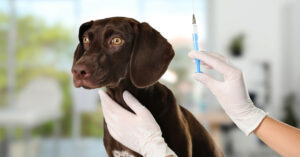
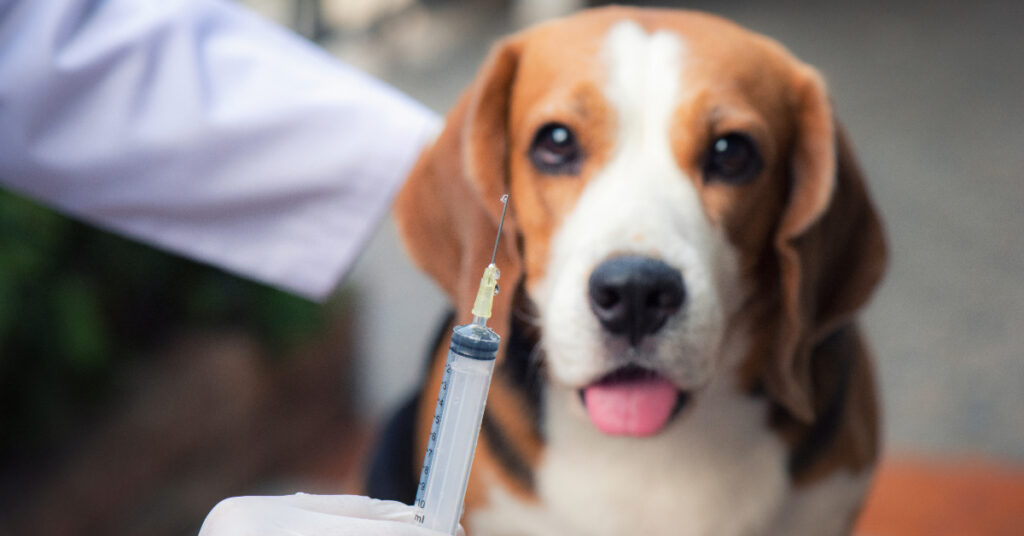
Dog vaccinations work by stimulating your pet’s immune system to recognize and fight specific diseases. When a vaccinated dog is later exposed to that disease, their immune system can respond quickly and effectively, often preventing illness entirely or significantly reducing its severity.
Beyond protecting individual pets, common dog vaccinations also contribute to community-wide protection. When enough dogs in a community are vaccinated, the spread of contagious diseases slows dramatically, protecting dogs who can’t be vaccinated due to age or health conditions. This is known as herd immunity, and it’s one reason veterinary organizations strongly recommend staying current on your dog’s vaccines.
Some diseases that common dog vaccinations protect against, like rabies and leptospirosis, can also infect people. Keeping your dog vaccinated is therefore an important part of protecting your entire household.
Common Core and Non-Core Dog Vaccines
Veterinarians divide dog vaccinations into two categories: core vaccines, which are recommended for all dogs, and non-core vaccines, which are recommended based on your dog’s individual risk factors.
Core Dog Vaccines
These are the vaccines that every dog should receive, regardless of lifestyle. They include:
- Rabies: A legally required vaccination in New Jersey, rabies is a fatal viral disease that can affect all mammals, including humans. Dogs receive their first rabies vaccine around 12 to 16 weeks of age, with boosters following on a one- or three-year schedule.
- DHPP (Distemper, Hepatitis, Parvovirus, Parainfluenza): This combination vaccine protects against four serious viral diseases in a single injection. Canine parvovirus and distemper are particularly dangerous, especially in young or unvaccinated dogs.
- Leptospirosis: Although sometimes categorized as non-core nationally, leptospirosis vaccination is widely recommended in New Jersey because of local wildlife populations. Leptospirosis is a bacterial disease spread through contaminated water and soil, and it can cause severe kidney and liver damage in dogs and people.
Non-Core Dog Vaccines
Non-core vaccinations for dogs are tailored to each pet’s lifestyle and risk of exposure. Your veterinarian at Wishing Well Veterinary Hospital will help you decide which of these make sense for your dog:
- Bordetella (Kennel Cough): Recommended for dogs who visit groomers, dog parks, boarding facilities, or training classes. Bordetella is extremely contagious and causes a persistent, hacking cough.
- Lyme Disease: Important for dogs who spend time in wooded areas or tall grass where ticks are common. New Jersey is a high-risk state for Lyme disease, making this vaccine a strong consideration for many local dogs.
Puppy and Dog Vaccine Schedules
One of the most common questions we hear at Wishing Well Veterinary Hospital is: “How often do dogs need vaccinations?” The answer depends on your dog’s age and their prior vaccination history.
Puppy Vaccination Schedule
Puppies receive a series of vaccines starting around 6 to 8 weeks of age. These are given every three to four weeks until the puppy is about 16 weeks old, at which point their immune system is mature enough to build lasting protection. A typical puppy vaccine schedule looks like this:
- 6 to 8 weeks: DHPP (first dose), Bordetella
- 10 to 12 weeks: DHPP (second dose), Leptospirosis (first dose), Lyme (first dose if recommended)
- 14 to 16 weeks: DHPP (third dose), Rabies, Leptospirosis (second dose), Lyme (second dose if recommended)
- 12 to 16 months: DHPP booster, Rabies booster, annual vaccines updated
Adult Dog Vaccination Schedule
After completing the puppy series and one-year boosters, most adult dogs transition to a longer vaccine interval for some vaccines. Rabies and leptospirosis are still given annually, while the DHPP combination is often given every three years. Non-core vaccines like Bordetella and Lyme are updated based on ongoing risk and manufacturer recommendations.
Are Dog Vaccines Safe?
Common dog vaccinations are among the most rigorously tested and monitored medical interventions in veterinary medicine. The vast majority of dogs tolerate vaccines without any significant side effects.
Mild reactions are normal and expected. Your dog may experience slight soreness at the injection site, low-grade lethargy, or a mild decrease in appetite for 24 to 48 hours after receiving their vaccines. These are signs that the immune system is responding, not that something has gone wrong.
More serious reactions, such as facial swelling, hives, vomiting, or difficulty breathing, are rare but possible. If your dog experiences any of these signs after a vaccine, contact Wishing Well Veterinary Hospital at (973) 872-9100 or an emergency veterinary clinic right away.
How Much Do Dog Vaccinations Cost?
The cost of common dog vaccinations varies depending on which vaccines are given, your geographic location, and whether the vaccines are administered as part of a wellness exam or as a standalone service. In general, puppy vaccine series tend to cost more upfront because several visits are needed over a short period.
For most pet owners, the cost of vaccinating a dog is far less than the cost of treating the diseases those vaccines prevent. Canine parvovirus, for example, can require intensive hospitalization and may cost thousands of dollars to treat, and even with aggressive treatment, it is not always survivable. Preventing parvo with a vaccine is a far better outcome for your dog and your budget.
At Wishing Well Veterinary Hospital in Wayne, NJ, we’re happy to talk through vaccination costs and options during your dog’s wellness visit. Our team believes preventive care should be accessible and that every dog deserves protection from preventable disease.
Protecting Your Dog Starts with the Right Vaccines
Common dog vaccinations are one of the most effective tools available to protect your dog from serious illness. Whether your dog is a brand-new puppy or a longtime family member who’s overdue for a checkup, Wishing Well Veterinary Hospital is here to help you navigate the right vaccine plan. Call (973) 872-9100 or book an appointment online to get your dog’s vaccinations up to date.