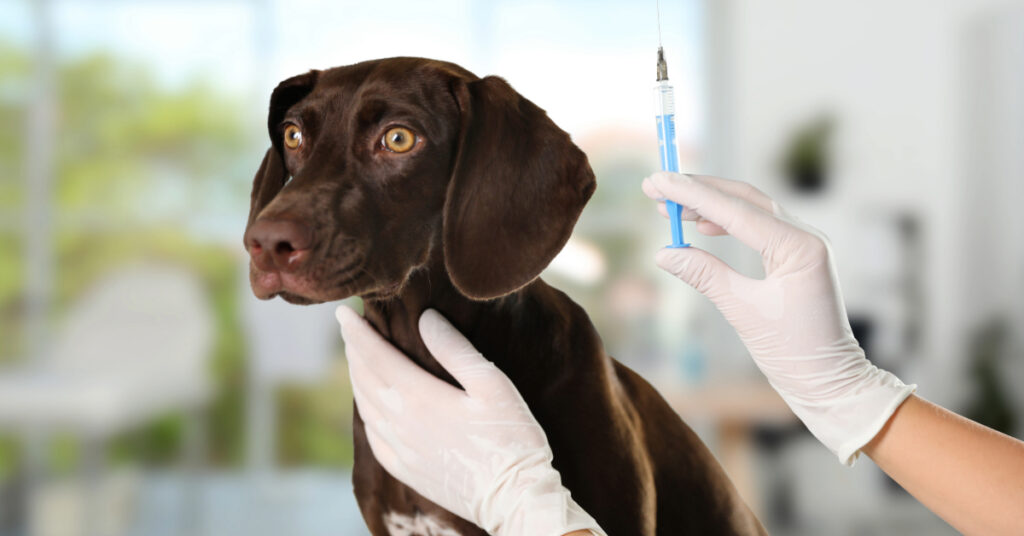
What dog vaccinations are necessary for your pet? The most important vaccinations for your dog are the core vaccines: rabies, DHPP (distemper, hepatitis, parvovirus, parainfluenza), and leptospirosis. These protect against diseases that are highly contagious, potentially fatal, or transmissible to humans. Beyond that, your veterinarian will recommend additional vaccines based on your dog’s lifestyle, age, and local disease risks. At Wishing Well Veterinary Hospital in Wayne, NJ, we make sure every dog in our care gets the protection they need, and nothing they don’t. Here’s a complete guide to understanding which dog vaccinations are truly necessary for your pet’s health.
Core Vaccines for Dogs
Core vaccines are those that every dog should receive, regardless of lifestyle or environment. They’re considered necessary because the diseases they prevent are widespread, severe, or pose a public health risk. Understanding which dog vaccinations are necessary starts with these foundational protections.
Rabies
The rabies vaccine is required by law in New Jersey and is one of the most critical dog vaccinations for your pet’s health and your family’s safety. Rabies is a fatal viral disease with no cure once symptoms appear, and it can spread from animals to people. The first rabies vaccine is given at 12 to 16 weeks of age, with boosters administered annually or every three years depending on the vaccine formulation.
DHPP (Distemper, Hepatitis, Parvovirus, Parainfluenza)
The DHPP combo vaccine is a core vaccine that protects against four serious viral diseases with a single injection. Canine parvovirus is particularly dangerous and is highly contagious, capable of surviving in the environment for months. Canine distemper can affect the nervous system and is often fatal in young dogs. After the initial puppy series and one-year booster, adult dogs typically receive DHPP every three years.
Leptospirosis
While leptospirosis is sometimes categorized as a non-core vaccine nationally, it is considered a necessary dog vaccination in New Jersey due to the high presence of wildlife such as deer, raccoons, and rodents in the area. Leptospirosis is a bacterial disease transmitted through contaminated water and soil. It can cause severe kidney and liver damage in dogs and is a zoonotic disease, meaning people can catch it too. Wishing Well Veterinary Hospital recommends this vaccine for virtually all dogs in the Wayne, NJ area.
Non-Core (Optional) Vaccines
Non-core vaccines are not required for every dog, but they may be necessary dog vaccinations depending on your pet’s lifestyle, environment, and exposure risks. Your veterinarian at Wishing Well Veterinary Hospital will help you evaluate which of these make sense for your individual dog.
Bordetella (Kennel Cough)
The Bordetella vaccine is recommended for dogs who interact socially with other dogs, including those who visit dog parks, boarding facilities, groomers, or training classes. Kennel cough is highly contagious and, while rarely life-threatening in healthy adult dogs, can be serious in puppies, senior dogs, or dogs with underlying health conditions. Many boarding facilities require this vaccine, so it may effectively be a necessary dog vaccination for your pet depending on your routine.
Lyme Disease
New Jersey is one of the highest-risk states in the country for Lyme disease. Dogs who spend time outdoors, especially in wooded or grassy areas, are at significant risk of tick exposure. The Lyme vaccine is given annually and is a necessary dog vaccination for many pets in the Wayne, NJ area. Paired with consistent tick prevention, it provides excellent protection against this debilitating illness.
Canine Influenza
Canine influenza, or dog flu, is recommended for dogs with frequent social exposure. If your dog regularly boards, visits doggy daycare, or attends group training classes, canine influenza vaccination is worth discussing with your veterinarian. It’s given annually and may be required by some facilities.
The Importance of Timely Vaccinations
Timing matters a great deal when it comes to necessary dog vaccinations. For puppies, the vaccine series must be completed on schedule to build full immunity before maternal antibodies wane. Gaps in the puppy schedule can leave young dogs vulnerable at a critical time in their development.
For adult dogs, staying on schedule prevents lapses in immunity. Some vaccines, like leptospirosis, provide about one year of protection, so a late booster can leave your dog unprotected. Others, like the rabies vaccine, have legal implications if allowed to expire in New Jersey.
- Puppies: Vaccines given every 3 to 4 weeks from 6 to 16 weeks of age, followed by one-year boosters
- Adult dogs: Annual vaccines for rabies (1-year), leptospirosis, Bordetella, Lyme, and canine influenza; triennial DHPP for most current dogs
- Overdue dogs: May need to restart certain series, depending on how long they’ve been lapsed
Potential Risks and Side Effects
Necessary dog vaccinations are safe for the vast majority of pets. The benefits of vaccination far outweigh the risks, but it’s important for pet owners to understand that mild side effects can and do occur.
Common Mild Side Effects
- Soreness or mild swelling at the injection site
- Temporary lethargy or decreased energy for 24 to 48 hours
- Mild fever
- Reduced appetite
- Loose stools or mild gastrointestinal upset
These reactions are normal and typically resolve on their own within a day or two. They indicate that the immune system is doing its job.
When to Seek Veterinary Care After Vaccination
More serious adverse reactions are rare but possible. Contact Wishing Well Veterinary Hospital or an emergency veterinary clinic if your dog develops any of the following after vaccination: facial swelling, hives, persistent vomiting, difficulty breathing, collapse, or pale gums. These signs can indicate an allergic or anaphylactic reaction that requires immediate care.
How Vaccines Contribute to Public Health
Necessary dog vaccinations don’t just protect your individual pet. They play an important role in public health by reducing the spread of zoonotic diseases, which are diseases that can pass between animals and people.
Rabies vaccination, for example, is one of the most important public health tools available. Widespread vaccination of domestic dogs has virtually eliminated dog-to-human rabies transmission in the United States. Leptospirosis vaccination similarly reduces the risk of a dog passing this bacterial infection to the people in their household.
When enough animals in a community are vaccinated, community-wide disease transmission slows, protecting animals who cannot be vaccinated due to age or illness. Every dog that receives their necessary vaccinations contributes to a healthier community for people and pets alike.
Build the Right Vaccine Plan for Your Dog in Wayne, NJ
What dog vaccinations are necessary for your specific pet? The answer depends on your dog’s age, health, lifestyle, and where they live and play. At Wishing Well Veterinary Hospital, our veterinarians take a thoughtful, individualized approach to vaccine recommendations. We’re here to answer your questions, discuss your dog’s risk factors, and make sure their preventive care plan supports a long, healthy life. Call (973) 872-9100 or book an appointment online today.