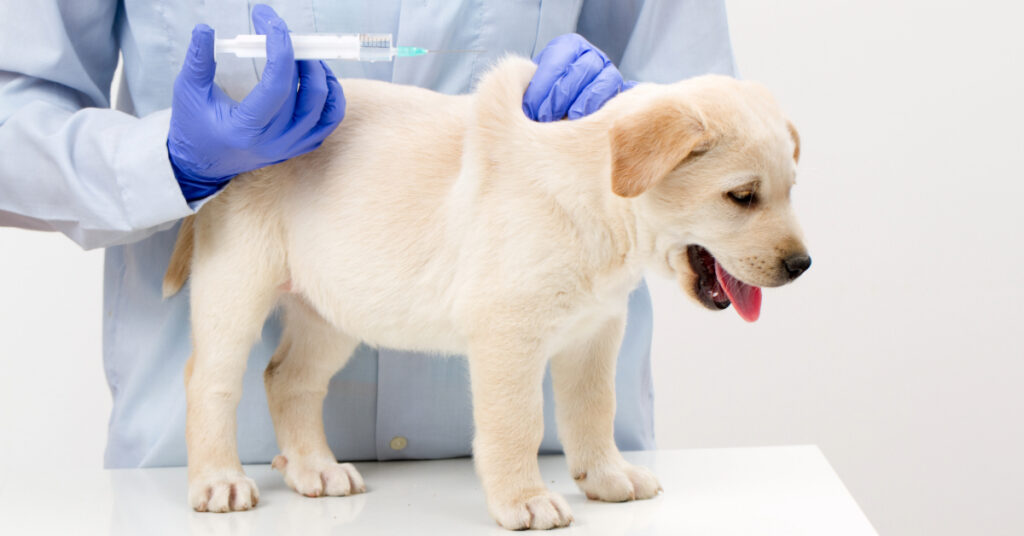
Puppy diarrhea after a vaccine visit can be alarming, but it is not always cause for calling the vet right away. Mild digestive upset, including loose stools, is a recognized side effect of some puppy vaccinations and typically resolves on its own within 24 to 48 hours. That said, knowing when the situation warrants a call to your vet is important. At Wishing Well Veterinary Hospital in Wayne, NJ, we want every pet owner to feel confident navigating their puppy’s post-vaccine recovery.
How Long After a Puppy Vaccine Do Side Effects Start?
Most side effects from puppy vaccinations, including diarrhea, lethargy, and soreness at the injection site, tend to appear within a few hours of the appointment. In some cases, a puppy may seem fine immediately after their vaccines and then become a bit sluggish or develop loose stools later that evening or the following day.
This timeline is normal. The immune system begins responding to the vaccine antigens relatively quickly, and some of the mild discomfort puppies experience is a direct result of that immune activation. Side effects that begin more than 48 hours after a puppy vaccine visit are less likely to be vaccine-related and should be evaluated by your veterinarian.
How Long Do Puppies Have Diarrhea After Vaccinations?
Puppy diarrhea after a vaccine is generally short-lived. Most cases resolve within 24 to 48 hours without any intervention. Your puppy may have one or two episodes of loose stool, and then their digestion returns to normal as the immune response settles down.
If diarrhea continues beyond 48 hours, becomes severe, contains blood, or is accompanied by other concerning symptoms like vomiting, significant lethargy, or loss of appetite, it’s time to contact Wishing Well Veterinary Hospital. Extended or severe diarrhea in a young puppy can lead to dehydration, which is a serious concern in small, growing dogs.
Can Puppy Vaccines Cause Upset Tummy?
Yes, puppy vaccines can cause gastrointestinal upset in some dogs. This includes diarrhea, mild vomiting, reduced appetite, and stomach discomfort. These reactions are not dangerous in most cases, and they reflect the body doing exactly what vaccines are designed to do: mounting an immune response.
Several factors can make a puppy more susceptible to digestive upset after vaccination. These include receiving multiple vaccines in a single visit, stress from the car ride or clinic environment, and individual immune sensitivity. Some puppies never have any reaction at all, while others are more sensitive. Neither response is abnormal.
What Mild Post-Vaccine Symptoms Are Normal
After a puppy vaccination visit, the following mild symptoms are generally considered normal:
- Loose stools or mild diarrhea lasting less than 48 hours
- Slight decrease in appetite for one to two days
- Low energy or increased sleepiness
- Mild soreness or swelling at the injection site
- Low-grade fever
These symptoms should be mild and brief. If your puppy seems comfortable and is still drinking water, monitoring at home for 24 to 48 hours is usually appropriate. Always follow your veterinarian’s specific guidance after your puppy’s visit.
Which Dog Vaccines Have the Most Side Effects?
Some vaccines are more commonly associated with mild side effects than others. The vaccines most frequently linked to post-vaccination reactions in puppies include:
Leptospirosis
The leptospirosis vaccine is one of the vaccines most commonly associated with mild side effects, including lethargy, soreness, and sometimes gastrointestinal upset. Despite this, leptospirosis vaccination is widely recommended in New Jersey due to the significant risk posed by local wildlife. The benefits far outweigh the risk of a temporary upset stomach.
DHPP (Distemper/Parvo Combination)
The DHPP combination vaccine is given multiple times during the puppy series and is generally well-tolerated, though some puppies experience mild lethargy or digestive upset after each dose. These reactions tend to diminish as the puppy gets older and their immune system matures.
Rabies
The rabies vaccine can occasionally cause lethargy and mild soreness. Serious reactions to the rabies vaccine are rare but possible. Your veterinarian at Wishing Well Veterinary Hospital will note any prior reactions in your puppy’s records to inform future vaccine decisions.
When to Call the Vet
While mild puppy diarrhea after a vaccine visit is usually not an emergency, there are signs that warrant a prompt call to your veterinarian. Contact Wishing Well Veterinary Hospital right away if your puppy experiences any of the following after vaccination:
- Diarrhea lasting more than 48 hours or that contains blood
- Vomiting that is persistent or severe
- Extreme lethargy or collapse
- Facial swelling, hives, or itching around the face and neck
- Difficulty breathing or unusual respiratory sounds
- Pale gums
- Loss of consciousness
These signs can indicate a more serious allergic or anaphylactic reaction, which is rare but requires immediate veterinary care. True anaphylaxis typically occurs within 15 to 30 minutes of vaccination, which is why many veterinary clinics, including Wishing Well Veterinary Hospital, monitor puppies briefly after their shots.
Dehydration in Puppies
One concern with diarrhea in young puppies is dehydration. Puppies have smaller body reserves than adult dogs and can become dehydrated more quickly. Watch for signs of dehydration, including dry or tacky gums, sunken eyes, skin that doesn’t spring back quickly when gently pinched, and extreme weakness. If you notice any of these signs, contact your vet right away.
Supporting Your Puppy Through Vaccine Day and Beyond
A little preparation goes a long way in making vaccine day easier for your puppy. Keep their routine calm after the appointment, offer fresh water, and let them rest. It’s normal for them to feel a bit under the weather for a day or two. If you have any questions or concerns about your puppy’s post-vaccine diarrhea or other symptoms, our team at Wishing Well Veterinary Hospital in Wayne, NJ, is just a phone call away. Call (973) 872-9100 or book an appointment online today! We’re always happy to help you determine whether what your puppy is experiencing is normal or warrants a visit.